Powder pouch filling

Powder pouch filling machinery for sachets, bags and formed retail packs.

Powder pouch projects must consider dosing and sealing together. Dust, product settling, seal contamination, bag size, film, coding and discharge handling all influence whether a VFFS, pouch or alternative packaging route is suitable.

UK powder filling machinery

Shortlist the machine around the product, pack and target output.

Powder pouch projects must consider dosing and sealing together. Dust, product settling, seal contamination, bag size, film, coding and discharge handling all influence whether a VFFS, pouch or alternative packaging route is suitable.

Request advice for this route
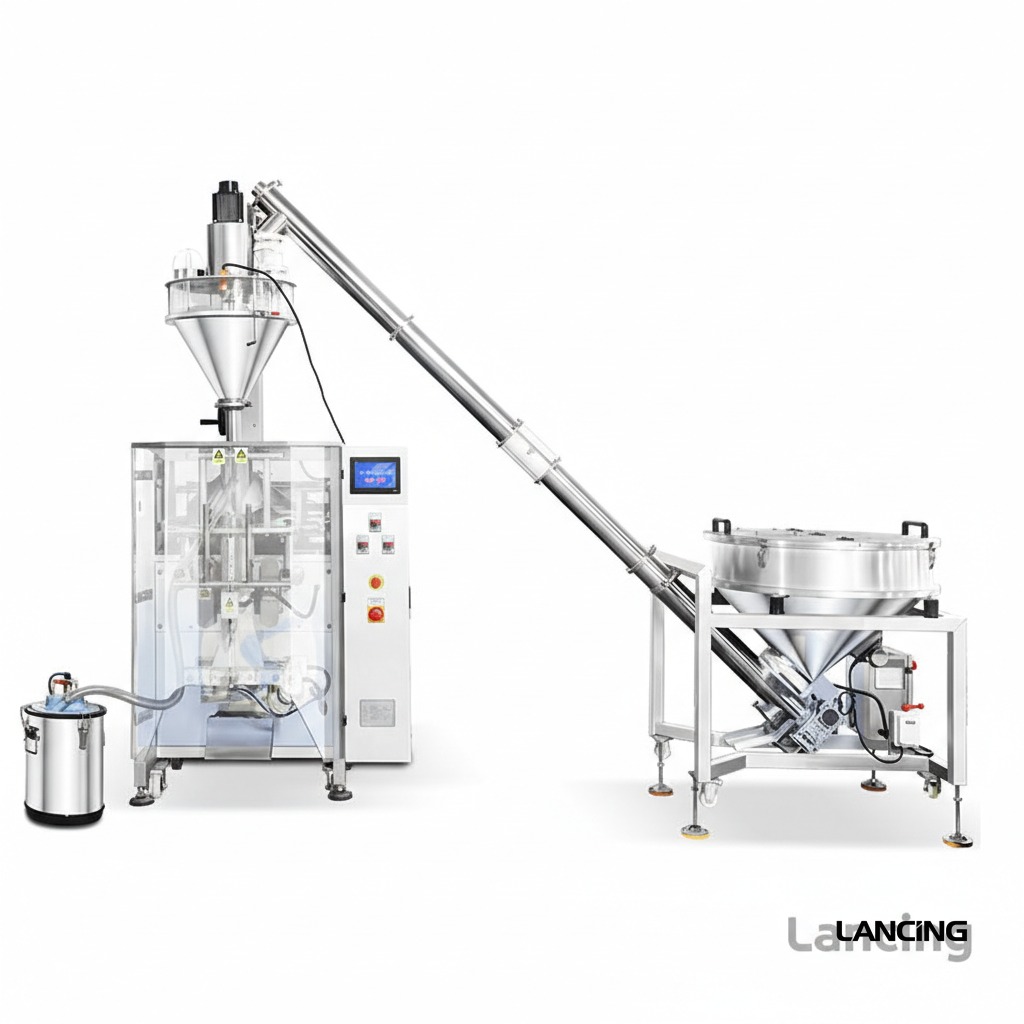
Automatic VFFS auger powder filling machine for pouches and bags
01

Where pouch filling fits

Pouches, sachets and bags are common for spices, detergent powder, cleaning powder, food powders, supplements and dry ingredients.

02

Dosing method

Auger dosing is common for many powders. Weighing or other dosing methods may be required for granules, mixed particulates or products where target weight is critical.

03

Specification questions

Confirm pouch or bag dimensions, film type, fill weight, required output, dust level, seal requirements and whether coding or secondary packing is needed.

What Lancing UK will normally need to confirm

For a useful powder filling machinery shortlist, send the product name, bulk density if known, target fill weight, pack format, output target, accuracy requirement, cleaning expectation and any known dust or flow issues.

DetailWhy it helps
Product behaviourConfirms whether the powder or granule is free-flowing, cohesive, dusty, fragile, abrasive or prone to bridging.
Fill weight and toleranceHelps size the filling head, screw, hopper, weigh system or bagging route.
Pack formatBottles, jars, tubs, pouches and bags all change the filling height, opening size and downstream handling.
Target outputShows whether a compact, semi-automatic, automatic or multi-head system should be reviewed.

Need the practical route?

Send the details through the contact page and Lancing UK can advise whether auger filling, weigh filling, VFFS packing or a complete line should be shortlisted.

Request a shortlist

Buyer questions

Common questions for this filling route

Can powder be filled into pouches automatically?

Yes. Automatic pouch and VFFS routes can fill powders when dosing, sealing and dust control are specified together.

What causes poor powder pouch seals?

Dust in the seal area, poor product settling, incorrect fill timing and unsuitable pack handling can affect seal quality.

Can one line fill different pouch sizes?

Often yes, but changeover, forming parts, filling range and recipe settings must be reviewed.

Related searches

Specialist powder filling pages

Ready to compare powder filling machinery?

Send your product, fill weight, pack format and target output so the right machine family can be shortlisted.

Request advice

Decide whether the project uses premade pouches or bags formed from roll film.

Premade pouches arrive with their shape, print, zipper or other features already manufactured and need to be picked, opened, supported, filled and sealed. VFFS equipment forms a bag from roll film around a forming set before dosing and sealing. The two routes have different material, tooling, changeover and output constraints, so the pack supply method should be confirmed before a filling machine is selected.

Hold the opening and pouch body in a repeatable position.

Flexible packs can collapse, close or move under the powder stream. Provide samples across the intended width, height, gusset and zipper range. Check how the pouch is detected, opened and verified, how it is supported during filling and how much usable volume remains after the required seal area and headspace are protected.

Pack conditionEngineering questionAcceptance evidence
Premade pouch with zipperCan the pouch be opened without damage and filled below the zipper and final seal area?Opening verification, clean zipper, controlled fill height and acceptable final seal.
Light unsupported pouchWhat clamp, gripper, holder or support prevents collapse and misalignment?Stable filling through the intended speed and full pouch-size range.
Fine dusty powderHow are free fall, extraction, settling and seal timing controlled?Internal and external seal inspection during a sustained run.
Several pouch sizesWhich opening, support, dosing and sealing parts change, and how is the recipe identified?Observed changeover and first-acceptable-pouch verification.

Protect the seal area from airborne and unsettled product.

Weight accuracy alone does not prove a successful pouch process. Inspect the zipper, seal land, gusset and outside of the pack. Reduce unnecessary drop, position suitable extraction without removing product from the dose and provide enough time for the powder to settle before sealing. Use the actual pouch material and the planned heat-seal settings during acceptance.

Include pack handling and sealing in the changeover boundary.

Record pouch magazine or reel changes, opening or forming parts, grippers or supports, fill tooling, recipe, seal settings, coding and first-pack approval. For deeper premade-pouch machinery information, use Pouch Fillers UK. For roll-film bag forming, use Form Fill & Seal.

Pouch filling questions

What to prove before selecting a powder pouch machine

What is the main difference between premade pouch filling and VFFS?

Premade pouches are supplied as finished empty packs that must be opened and supported. VFFS forms the bag from roll film before dosing and sealing.

Why is pouch support important during powder filling?

A flexible pack can collapse or move, changing fill height and contaminating the opening. A repeatable clamp, gripper or support keeps the dose aligned.

How is dust kept out of a pouch seal?

Control free fall, fill height, timing and suitable extraction, then allow the product to settle before sealing. Inspect the actual pouch internally and externally.

Can one machine handle several pouch sizes?

Often yes, but opening, support, dosing, seal settings and change parts must be checked across the complete size range and included in a changeover trial.

What pouch samples should be provided?

Provide production-intent pouches covering the smallest and largest size, zipper or fitment variations, film structure, seal area, artwork registration and enough quantity for a sustained trial.

Send the actual pouch construction with the representative powder.

Lancing can compare opening, support, dosing, dust, seal quality and changeover before the flexible-pack route is selected.

Request a pouch-filling review

Pouch acceptance evidence

Protect the pouch opening and seal area through the complete dose.

Pouch presentation

Use the production-intent material, zipper or fitment, opening and least stable size.

Plan the pouch trial

Dust and settling

Check free fall, displaced air, product settling and contamination before sealing.

Dust-control guide

Product change

Include pouch parts, dosing tooling, cleaning and seal-setting verification.

Changeover guide
Call now