
Powder filling machinery range

Auger fillers, weighing fillers and powder packing systems.

Browse the main powder filler routes and use the contact form to request the correct shortlist for your product, pack size and output target.

Range overview

Choose by product behaviour and pack format.

Powder filling is not a single-machine decision. Spices, flour, nutraceutical powders, detergents, chemical powders, seeds and granules can need different hopper geometry, feed control, dust containment and downstream handling.

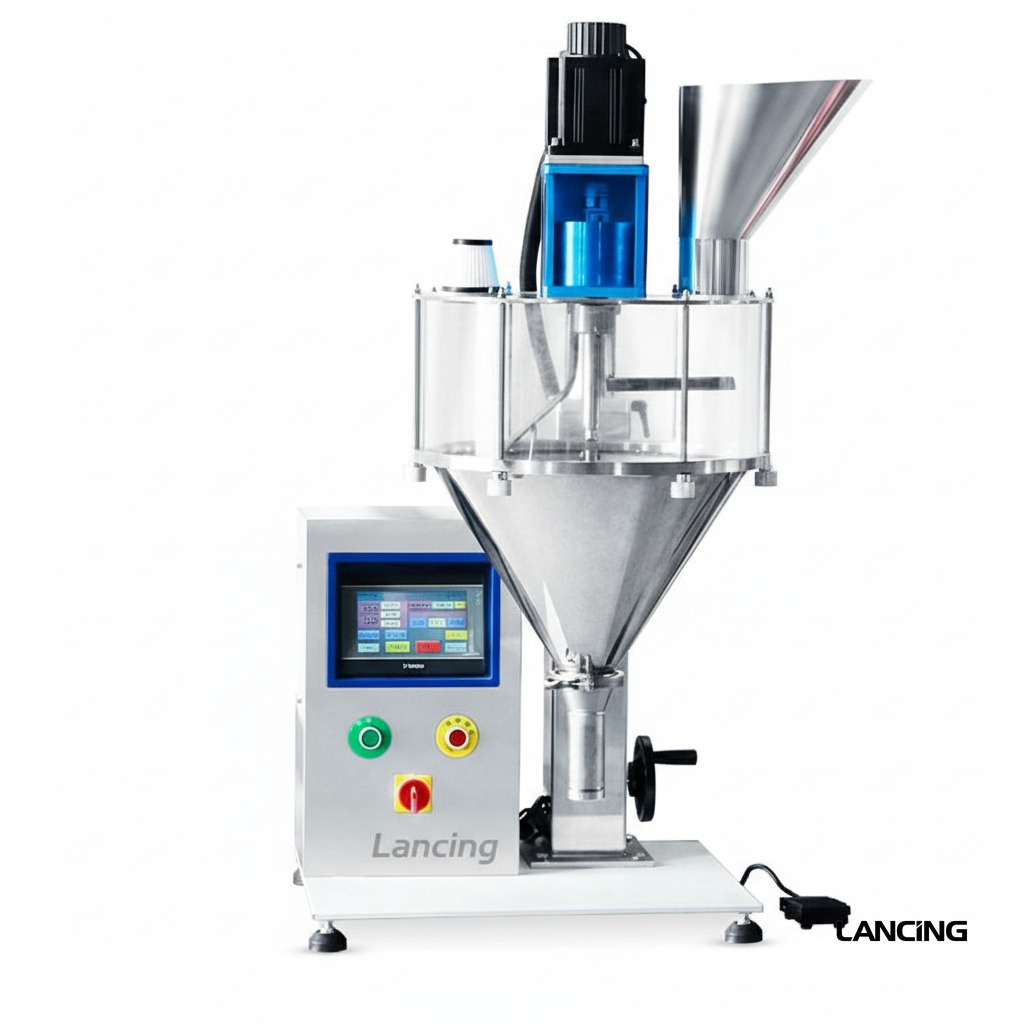
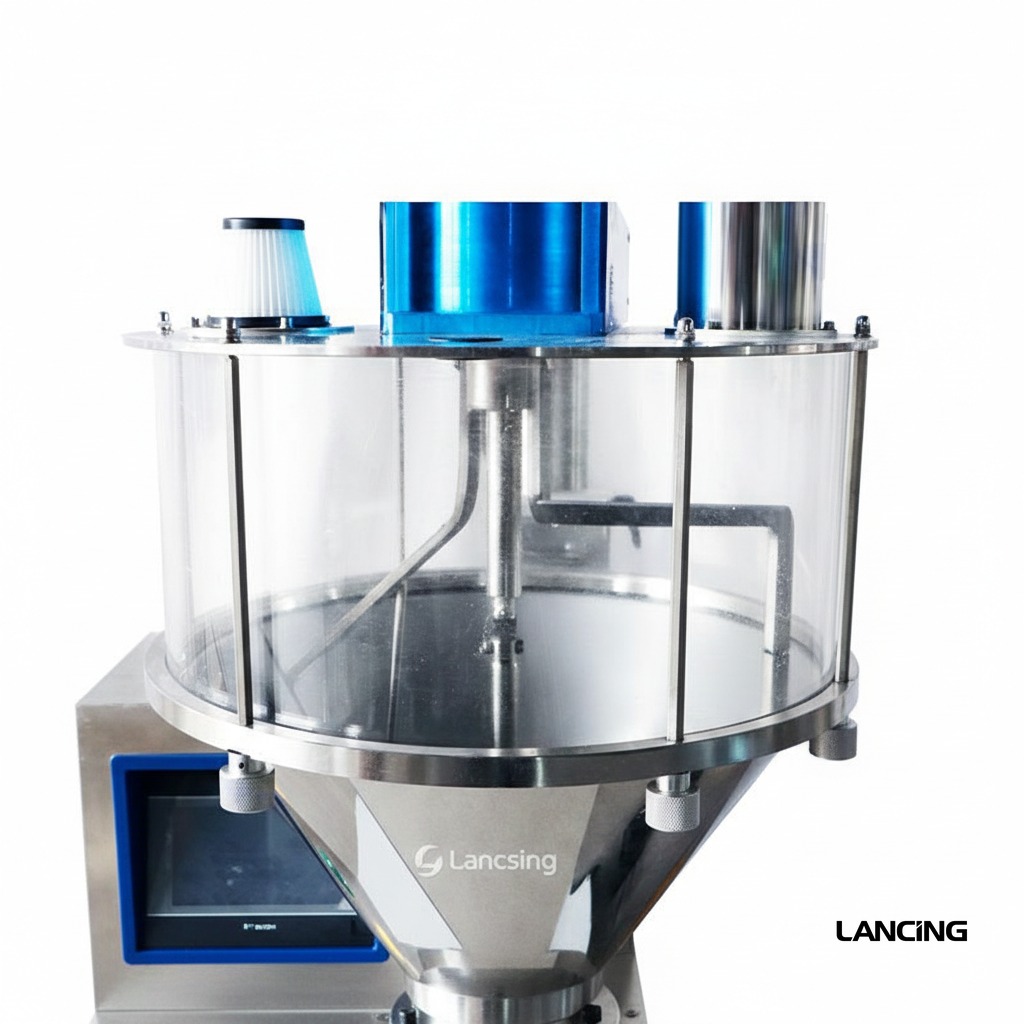
Compact tabletop auger powder filling machine
Compact auger filler

Tabletop Auger Filling Machine

A compact powder filler for spices, herbs, pharmaceuticals, laboratory batches and lower-volume production where accuracy and footprint matter.

Typical range
0.5 g to 2000 g, screw-size dependent
Output
10–25 BPM, volume dependent
Best used for
Powder, dry product or granule filling where the final configuration is matched to product behaviour and pack format.
Enquire about this machine
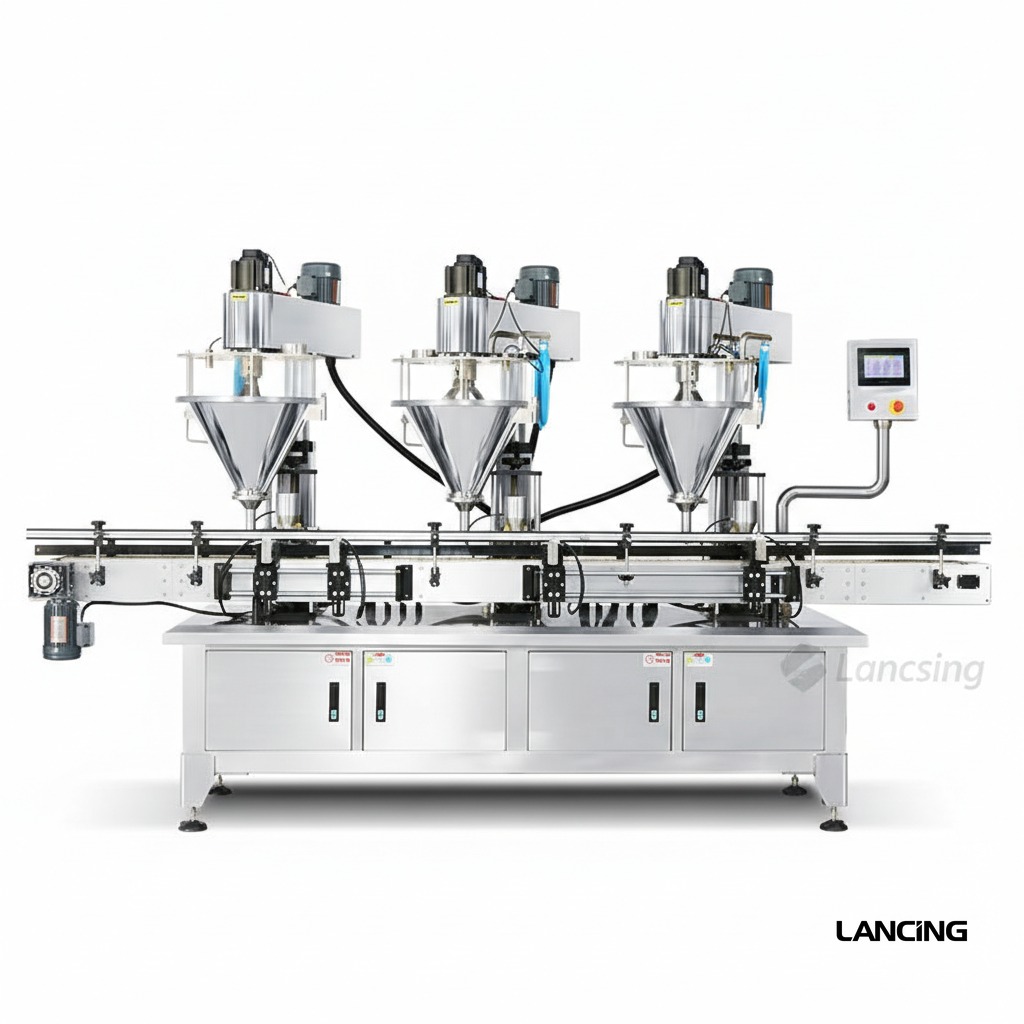
LU-FM4A three head servo auger powder filling machine
Automatic multi-head auger filler

LU-FM4A Servo Powder Filling Machine

A three-head servo auger filling route for higher output powder dosing into containers, with HMI control and conveyor integration.

Typical range
50–300 g, customisable
Output
Project dependent
Best used for
Powder, dry product or granule filling where the final configuration is matched to product behaviour and pack format.
Enquire about this machine
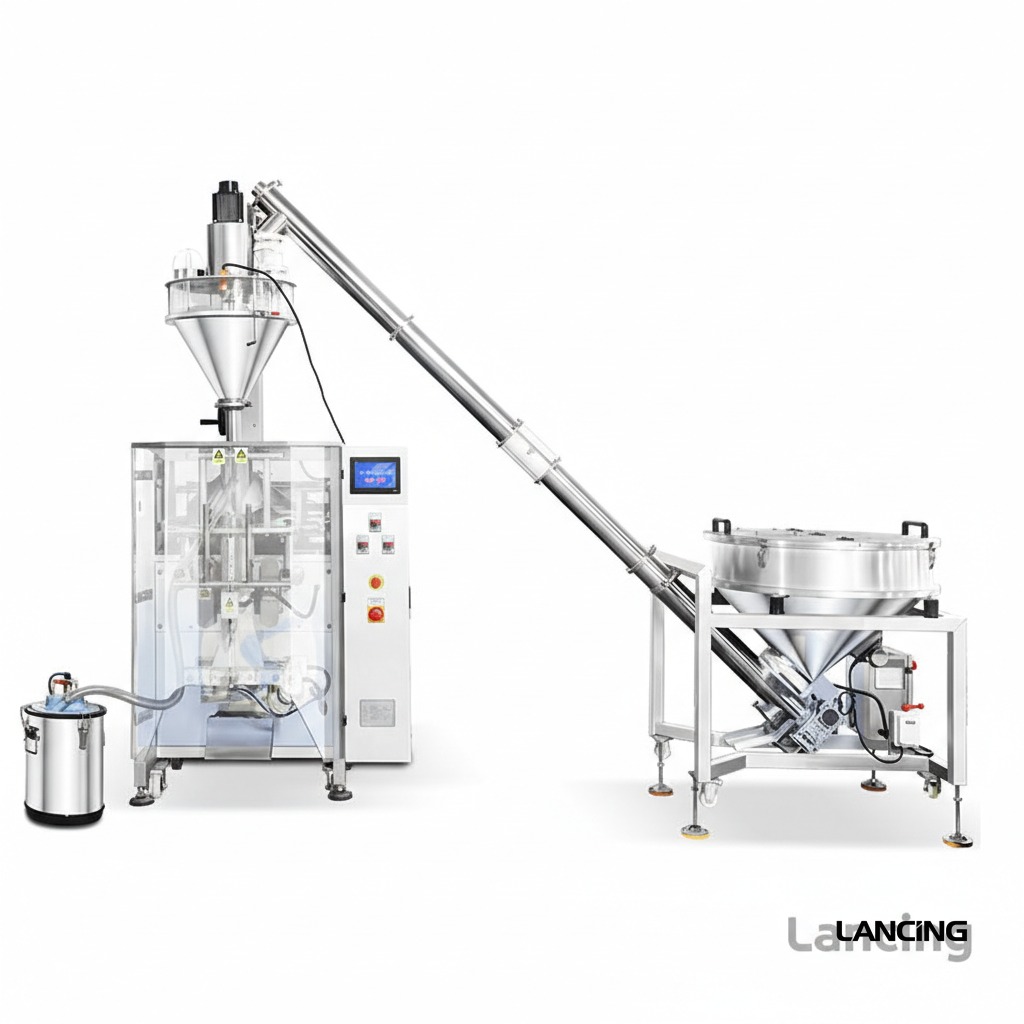
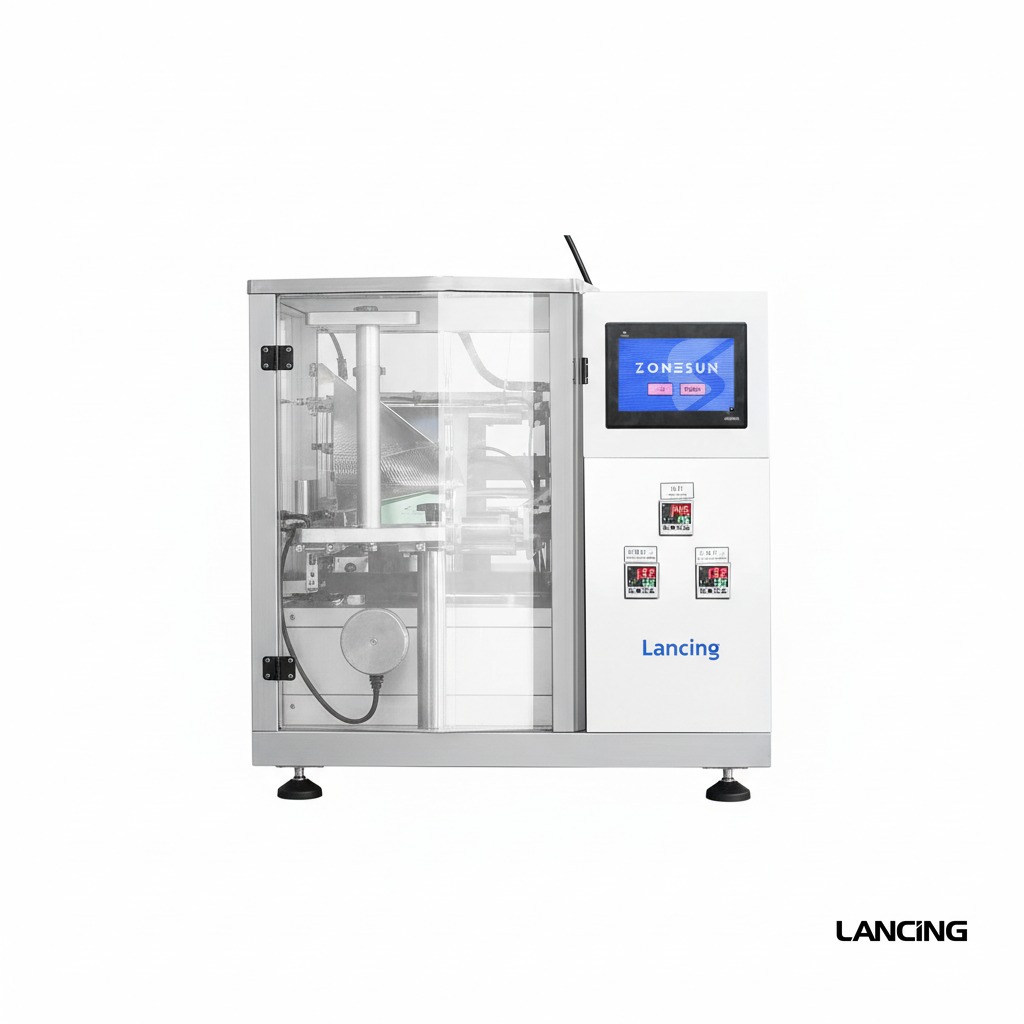
Automatic VFFS auger powder filling and packing machine
VFFS powder packing system

Automatic VFFS Auger Powder Filling Machine

A vertical form-fill-seal route for detergent powder, cleaning powder and larger dry-product bagging applications.

Typical range
150–2000 ml
Output
5–80 bags/minute
Best used for
Powder, dry product or granule filling where the final configuration is matched to product behaviour and pack format.
Enquire about this machine
Multi-hopper granule and powder weighing filling machine
Multi-hopper weigh filler

LU-GWF Multi-Hopper Granule Powder Weigh Filler

A weighing and dispensing machine for granules, powders, nuts and small particles where dose by weight is the critical requirement.

Typical range
1–100 g × 2
Output
Application dependent
Best used for
Powder, dry product or granule filling where the final configuration is matched to product behaviour and pack format.
Enquire about this machine
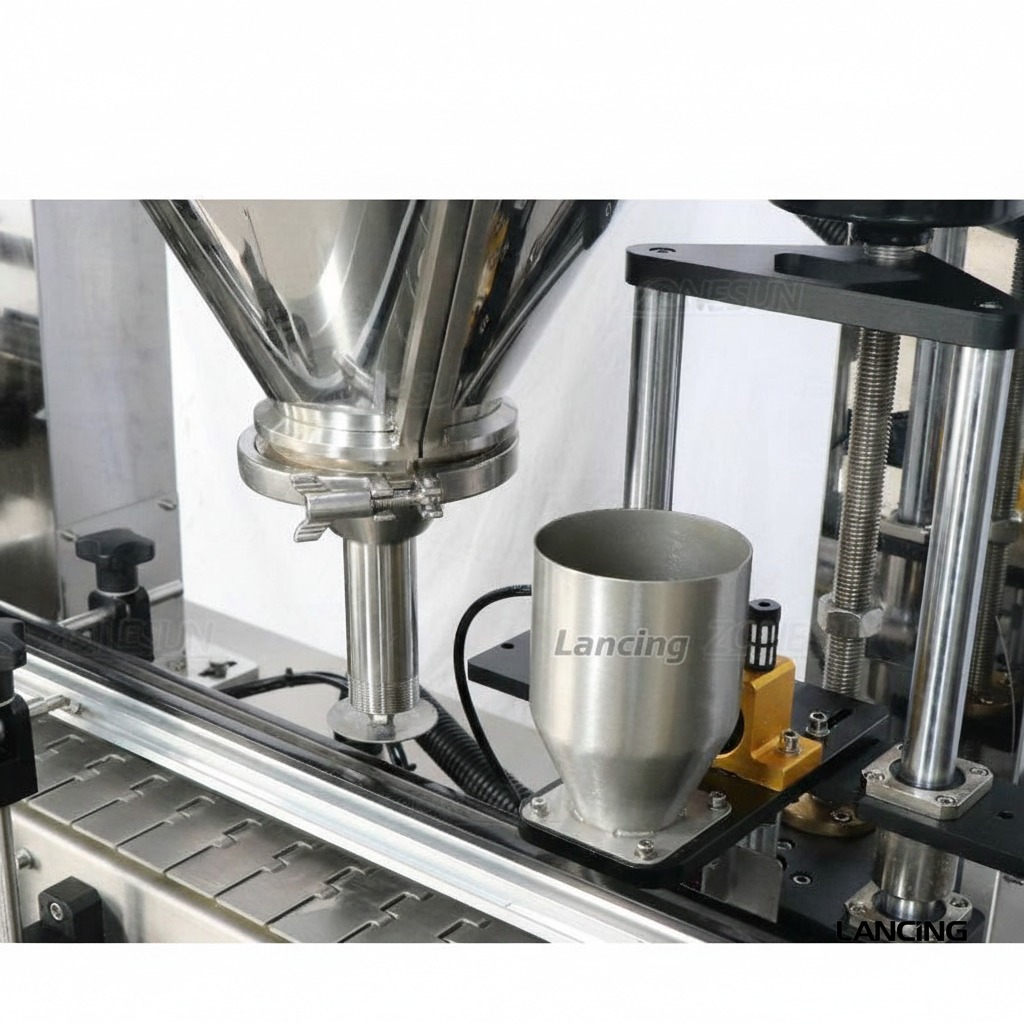
Automatic screw feed auger powder filling machine
Automatic powder filler with screw feed

Automatic Screw Feed Auger Powder Filler

An automatic powder filling layout with auger feed and conveyor support for bottles, jars and rigid packs.

Typical range
Application dependent
Output
Line dependent
Best used for
Powder, dry product or granule filling where the final configuration is matched to product behaviour and pack format.
Enquire about this machine
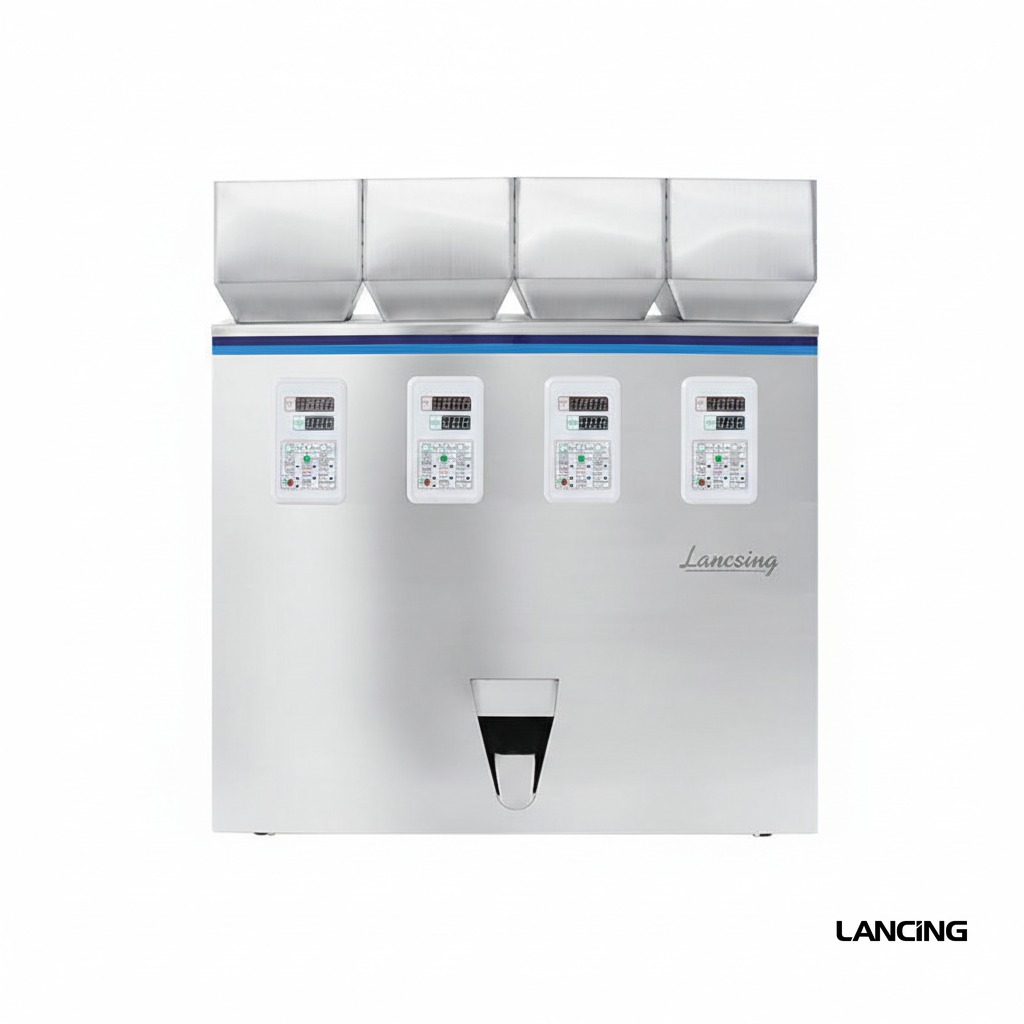
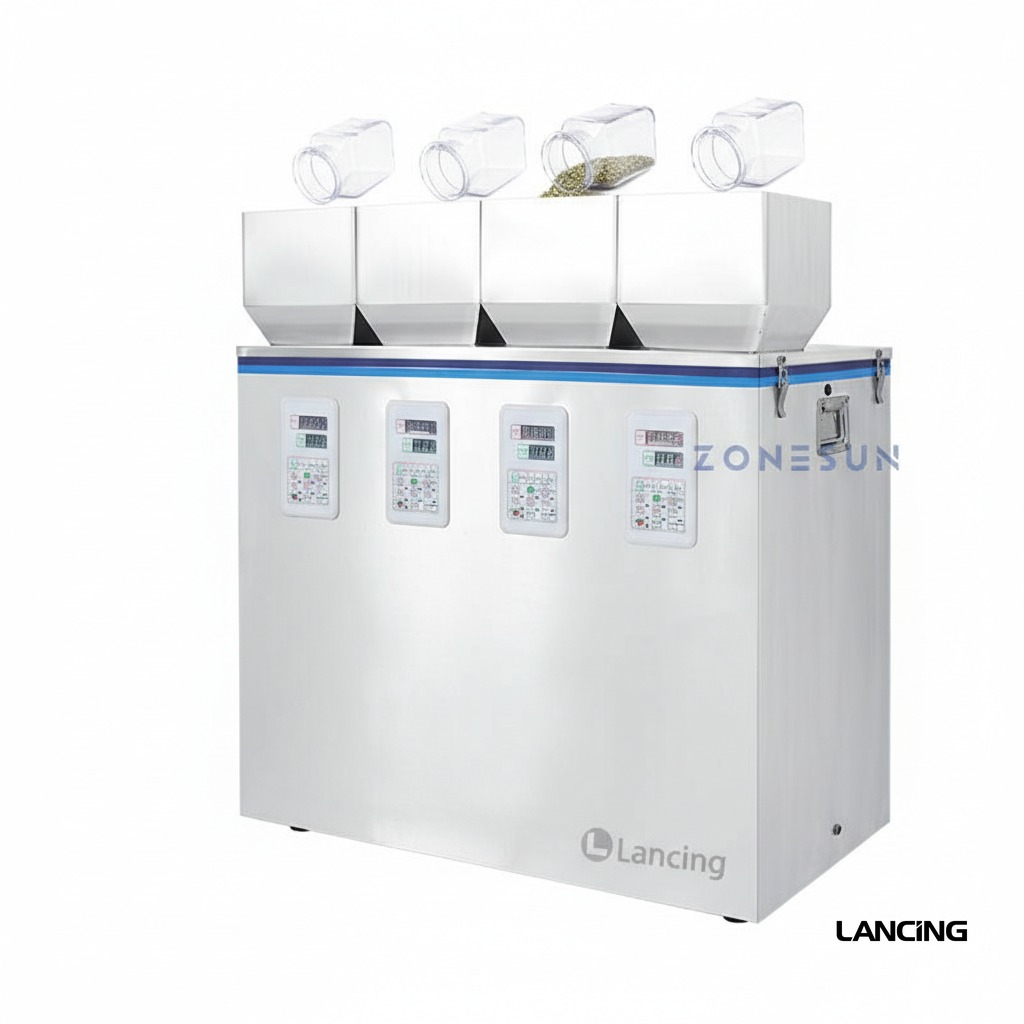
Automatic four head bottled granule weighing filler
Four-head weighing filler

Automatic 4-Head Granule Weigh Filler

Parallel weigh dosing for seeds, small granules, nuts, spices and similar dry products into bottles or containers.

Typical range
g to kg, application dependent
Output
High, product dependent
Best used for
Powder, dry product or granule filling where the final configuration is matched to product behaviour and pack format.
Enquire about this machine

Quick comparison

Which machine type should you review first?

Machine routeBest fitWatch points
Tabletop auger fillerShort runs, compact production, powders in jars or bottles.Operator loading, product dusting and repeatable container positioning.
Automatic auger fillerHigher output powder filling with conveyor handling.Hopper feed, change parts, product settling and dust extraction.
Multi-head weigh fillerGranules, seeds, small particles and products where dose by weight is preferred.Particle flow, product damage, vibration settings and bulk density changes.
VFFS powder systemDry products into formed bags or sachet-style packs.Film compatibility, sealing quality, coding, discharge and downstream packing.

Send your product and pack details.

We will help narrow the powder filler shortlist before you spend time comparing unsuitable machines.

Ask for a shortlist

Verified Lancing references

Published model and tooling information, with the conditions behind each figure.

The figures below are drawn from current first-party Lancing model pages. They are reference specifications, not a guarantee for every powder or pack. A final proposal must confirm the actual product, tooling, container or film, site utilities and line interfaces.

MachinePublished model and reference rangePublished output or accuracy contextApplication checks before quotation
Tabletop Auger Filling Machine LU-FM100B. Published screw references: Φ19 mm 0.5–50 g; Φ25 mm 2–15 g; Φ38 mm 20–50 g; Φ51 mm 30–100 g; Φ60 mm 100–500 g; Φ70 mm 200–1000 g; Φ80 mm 500–2000 g, with the largest range stated as material dependent. Published hopper reference: 35 litres, customised. Published working capacity: 10–25 bottles per minute, stated as based on filling volume. Published accuracy: ±1%, stated as based on the filling range. Both figures must be checked with the selected screw, product condition, pack and operator method. Representative sample, chosen screw and nozzle, hopper feed or agitation, container opening, fill height, dust behaviour and repeatable operator presentation.
LU-FM4A Servo Powder Filling Machine LU-FM4A. Three filling heads with a published 50–300 g filling range, stated as customisable. Published electrical reference: 380 V, 6 kW. No verified output or accuracy test condition is stated in the supplied first-party reference. Confirm performance by a representative sample trial and by reviewing the complete conveyor and downstream sequence. Head-to-head balance, hopper replenishment, container spacing, sensor positions, conveyor control, reject or check strategy, dust containment and downstream closing.
Automatic VFFS Auger Powder Filling Machine LU-FS06. Published filling reference: 150–2000 ml. Published bag size: 60–250 mm wide by 80–350 mm long. Published film-thickness reference: 0.05–0.2 mm. Published packaging speed: 5–80 bags per minute. The first-party page states that throughput depends on product, format and operator workflow; the real result must also be checked against film travel, dosing time, sealing dwell and dust at the seal area. Film structure and width, finished bag dimensions, forming parts, dose timing, extraction, seal quality, coding, discharge and secondary packing.
LU-GWF Multi-Hopper Granule Powder Weigh Filler LU-GWF2. Published range: 1–100 g × 2, with two 1.5 kg hoppers. The published reference lists 304L stainless-steel housing, 110/220 V and 380 W. Published margin of error: ±0.2 g. No product, target-weight or statistical test condition is stated, so the figure should be verified with the actual material, feed settings and pack before it is used as an acceptance criterion. Particle flow, feed cut-off, vibration settings, product damage, static, target weight, hopper refill, discharge path and pack positioning.

Use a representative trial to convert a catalogue reference into a production result.

Published ranges identify a possible configuration; they do not show how a particular batch of powder will feed, settle or respond to hopper refill. The trial should reproduce the product condition, pack opening, fill height and operating method expected in production. Agree the target and acceptance rules before the first fill is made.

Hold the important conditions constant

Record the product batch and density method, the screw or weigh tooling, hopper level, agitation or feed settings, container or film, target dose, fill height and measurement instrument. If the machine is tested at more than one target, treat each target as a separate condition. Include a refill event where hopper level may affect feed pressure or product aeration.

Record every result in the agreed sequence

A useful report lists each measured fill and identifies start-up, adjustment, refill and rejected fills. Calculate the mean, minimum, maximum and standard deviation for the agreed production sequence, then compare those results with the stated target and individual tolerance. Weight data should be read alongside observations on dust, spillage, headspace, seal contamination, container stability and product damage.

Acceptance areaAgree before the trialEvidence to retain
Dose performanceTarget average, individual limits, handling of start-up fills and the sequence to be measured.Individual results, summary statistics, adjustments and rejected-fill reasons.
OutputWhether the measure is filler cycles, finished packs or sustained line output, and the exact product and pack condition.Timed run, stoppage log, refill events and the slowest line stage.
Pack qualityAcceptable dust, spillage, headspace, closure or seal condition and finished-pack presentation.Photographs or video, inspection record and any pack rejected for reasons other than weight.
ChangeoverSKU change, cleaning boundary, parts to remove, settings to change and line-clearance requirement.Observed sequence, tools used, inaccessible residue points and restart checks.

Compare the route before the model.

Use the powder filling machine guide for product and pack selection, or review complete powder and granule lines where capping, sealing, labelling or coding affects the result.

Send a sample-led enquiry

Specification questions

Questions to settle before relying on a machine figure

Are the published machine speeds guaranteed for every powder?

No. Published speeds are reference figures. The sustained result depends on the product, target dose, tooling, pack handling, hopper refill, dust control and downstream stages, so it should be confirmed under agreed trial conditions.

How should powder filling accuracy be verified?

Use the actual product and pack, hold the machine conditions constant, record every fill in the agreed sequence and calculate the mean, minimum, maximum and standard deviation. Keep rejected fills and the reasons for rejection in the report.

Can one auger screw cover the complete published fill range?

Not necessarily. Published ranges are normally split across screw diameters. The screw, tube, nozzle and hopper arrangement should be selected for the product density, target dose and required fill time.

When should a weigh filler be tested instead of an auger?

A weigh filler is a useful comparison for free-flowing granules, seeds and small particles, or where variation in bulk volume makes target weight the stronger control method.

What is the difference between filler speed and finished-line output?

Filler speed counts dosing cycles. Finished-line output also includes product feed, pack presentation, settling, closing or sealing, coding, checking and discharge. The slowest stable stage sets the sustained line rate.

What should be sent with a machinery enquiry?

Send a representative product sample, bulk-density information with the method used, target weight range, pack and closure samples, output target, available space, utilities, cleaning expectations and any known flow or dust issues.

Ask for a model comparison built around a representative sample.

Lancing can compare the published reference with the real product, tooling, pack and line sequence before the final specification is agreed.

Request a machinery review

Production-duty matrix

Compare the work around the dose as carefully as the dosing principle.

A machine can be technically capable of dispensing the product yet still be the wrong production route. The deciding difference is often how product reaches the hopper, how each pack is presented, which tasks remain with the operator and what must happen immediately after filling. Use the matrix below to define that operating envelope before comparing models or published cycle rates.

Machinery routeWork normally retained around the fillerEvidence that supports the routeReason to review the next automation level
Tabletop or compact fillerManual hopper loading, pack placement, fill initiation, pack removal and separate closing or sealing.Short or variable batches, manageable pack weights, repeatable operator presentation and a cleaning method suited to frequent changes.Pack presentation limits output, operator motion becomes inconsistent, refill interrupts production or downstream closing becomes the bottleneck.
Semi-automatic filling stationOperator presents or indexes packs while the machine controls the dose; fixtures, feeders or local extraction may support the task where specified.Stable workstation method, clear in-process checks, acceptable ergonomic reach and a measured changeover routine.Demand requires continuous pack flow, multiple manual steps create variation or line control is needed between filling and closing.
Automatic rigid-container fillerConveyors, gating, sensors and controls present bottles, jars or tubs; product feed and downstream closing must remain balanced.Representative container set, sustained feed, no-container/no-fill behaviour, clean closure surfaces and defined blocked or starved states.Several pack operations need one control philosophy, accumulation is required or the proposed filler cannot recover cleanly from normal line stops.
VFFS powder packing routeRoll film is formed, the dose is synchronised with bag movement and the finished pack is sealed, coded and discharged.Production-intent film, forming dimensions, seal inspection, dust control, dose timing and finished-pack checks through a sustained run.The pack construction is better supplied as a premade pouch, the product needs a different dosing principle or secondary handling governs the saleable rate.
Weight-based filling routeProduct is fed to weigh hoppers or a weighing station, then discharged into the pack or a downstream bagging system.Stable feed, clean cut-off, product-damage assessment, target-specific fill results and compatible discharge timing.The product does not feed consistently, the pack interface causes loss or damage, or a combination-weighing or specialist route is a better owner of the application.

Use escalation triggers rather than a headline speed target.

Move from compact to semi-automatic or automatic equipment when the surrounding work—not only the dosing cycle—requires it. Useful triggers include repeated operator repositioning, frequent hopper interruption, unstable pack presentation, a closure stage that cannot keep pace, a need for controlled rejects or a requirement to exchange ready, run, fault and blocked signals with other equipment.

Review semi-automatic powder fillers for flexible batch work, automatic powder filling machines for conveyed rigid packs, powder bottle filling where the container and closure set the interface, and VFFS powder packing machinery where roll film forms the pack.

Evidence before model comparison

Compare machine families only after the difficult production condition is defined.

A model list is useful when the product, pack, dose and operating duty are already bounded. Use the evidence route below to remove options that cannot be proved for the application.

DecisionEvidenceTechnical guide
Dosing principleFlow, density, aeration, bridging, flooding, particle care and refill behaviour.Flowability and density
Quality targetTarget, measurement method, consecutive results, average, variation and finished-pack criteria.Accuracy and repeatability
ContainmentTransfer, hopper, nozzle, settling, closing, cleaning and site risk-assessment boundary.Dust control
AcceptanceRepresentative samples, challenge states, raw results, changeover and line-state tests.Trial and FAT
DeploymentDelivery access, utilities, extraction, maintenance clearances, controls and training.Site requirements

Compare a machine against the agreed test condition.

Send the representative product, smallest and largest pack, fill range and the acceptance evidence your production team needs.

Request a machinery comparison

Machinery comparison

Questions that separate apparently similar powder fillers

Why can two powders at the same target weight need different filling tooling?

The powders may occupy different volumes, feed differently into the metering zone, create different dust or require a different cut-off. Tooling is selected around product behaviour and the practical dose volume, not weight alone. Use the auger versus weigh filler guide before comparing models.

When should the pack format decide the machine route?

The pack becomes decisive when opening size, stability, usable volume, seal or closure cleanliness and presentation cannot be separated from dosing. A VFFS bag, premade pouch and bottle may use a similar dosing principle but require different handling systems. Compare them in the powder packaging format guide.

How can buyers compare semi-automatic and automatic proposals fairly?

Compare the complete operator cycle and sustained saleable output, including product refill, pack loading, checks, rejects, changeover and downstream closing. Do not convert one isolated dose cycle into an hourly figure. The automation-level comparison sets out the decision.

Request a machinery comparison

Production comparison

Compare the operating evidence, not only the machine label.

The current model table shows published references. The project decision should also compare how each route is fed, checked, cleaned and connected to the finished-pack process.

Decision areaSemi-automatic augerAutomatic augerVibratory weigh fillingVFFS packing
Human workPack presentation, fill initiation or supervision, checking and transfer are normally operator tasks.Operators replenish product and packs, respond to stops and complete checks while conveyors handle the routine cycle.An operator may present the pouch and trigger or receive the weighed discharge.Operators manage film, product supply, checks, reels, faults and finished-bag handling.
Rate evidenceRecord the complete operator cycle and normal checking frequency.Record sustained line states, starvation, downstream blocking, rejects and refill recovery.Record feed cut-off, weigh stabilisation, discharge and pack handling.Record dosing, film travel, sealing dwell, settling, coding and discharge together.
Product proofMinimum, nominal and maximum doses through realistic hopper levels.Head balance, conveyor presentation, refill and restart with the real container.Flow, vibration response, particle damage and discharge into the real pack.Powder settling, seal-area cleanliness and film compatibility at the intended bag size.
Project recordApproved tooling, recipe, operator method and first-off checks.Format parts, line speeds, interlocks, reject logic and restart rules.Target, feeder settings, cut-off behaviour, scale checks and pack-support method.Forming set, film specification, bag dimensions, temperature, dwell and dose timing.

Use the output and speed guide to state a comparable rate, then complete the powder filling specification checklist before requesting a model-level proposal.

Beyond the dosing head

Match the powder filler to the surrounding feed, pack and inspection system.

The same filling head can perform differently when the hopper refill, bag presentation or weight-verification boundary changes. Use these routes to complete the machinery comparison.

Bagging and sack filling

Compare VFFS, open-mouth and valve sack handling before selecting a dosing or weighing arrangement.

Review powder bagging machines

Hopper and product feeding

Assess how screw, vacuum, gravity or manual supply affects hopper state, dust and cleaning.

Review feeder integration

Checkweighing and feedback

Separate in-process weighing from final pack verification and define rejects and correction logic.

Review weight verification
Call now