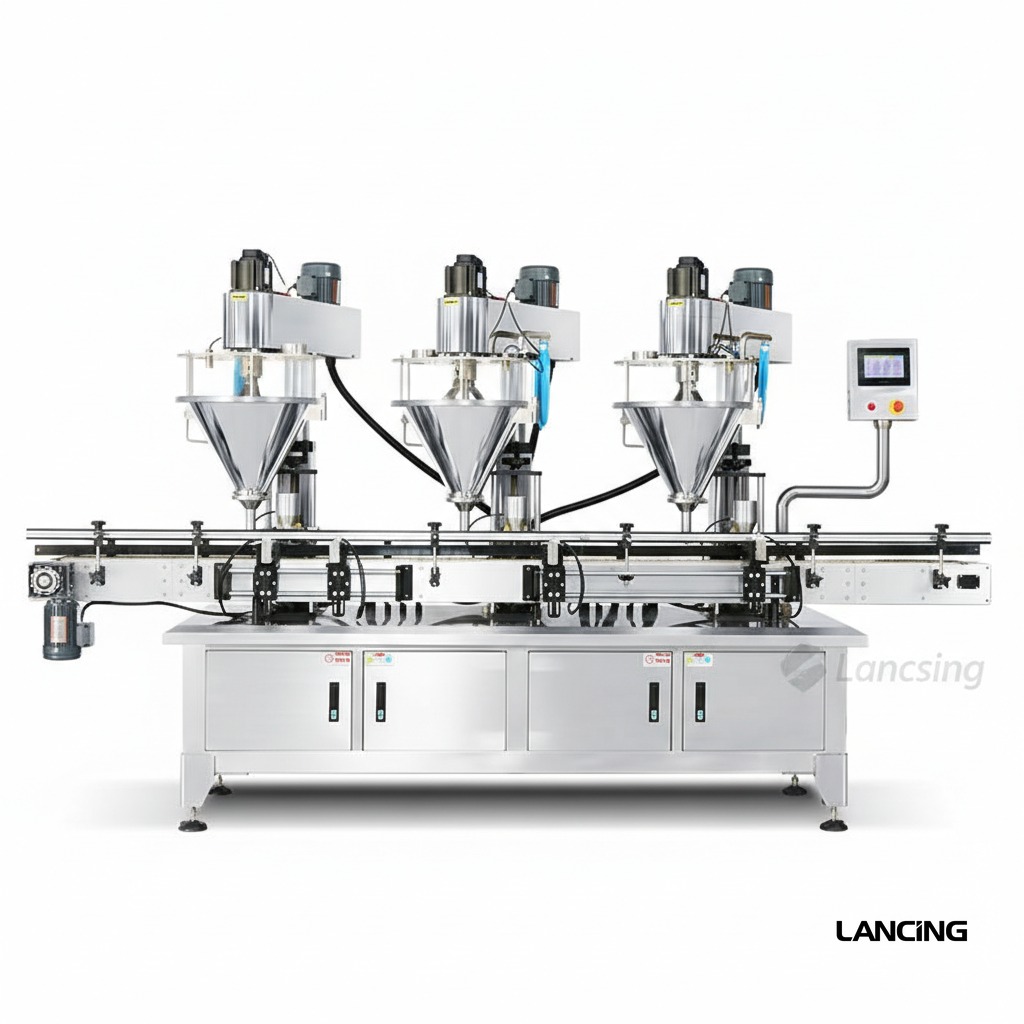
Supply the current safety and handling information before machinery is selected.
Provide the product name, current safety data, batch condition, particle range, bulk-density method, dust behaviour, abrasiveness, corrosiveness, moisture sensitivity and any incompatibility with contact materials or cleaning agents. If the product or dust classification creates hazardous-area requirements, that assessment must be completed before a standard filling route is assumed suitable.
Abrasive powder can change screw, tube, feeder, gate and chute clearances over time. Corrosive or reactive material may restrict contact materials, seals, lubricants or the cleaning method. Hygroscopic product can cake in dead spaces after exposure. The final specification should identify the known product risks and the parts that require inspection or planned replacement; it should not rely on a generic stainless-steel description.
| Product characteristic | Machine or process review | Evidence required |
|---|
| Abrasive powder | Screw, tube, hopper, gate, feeder and chute wear surfaces; inspection access and replacement boundary. | Representative sample trial and documented inspection points. |
| Corrosive or reactive product | Compatibility of contact parts, seals, ancillary equipment and the intended cleaning chemistry. | Current product data and an agreed material-contact review. |
| Fine airborne dust | Contained transfer, fill-height control, extraction location, sensor protection and clean pack closure area. | Observation during filling and refill, with dust and pack-quality records. |
| Hygroscopic or caking powder | Exposure time, hopper geometry, shutdown cleanout and residue in dead spaces. | Trial with product conditioned as it will be stored and used in production. |
Design dust control around capture at source and safe operation.
Map where dust is created during container opening, product transfer, hopper refill, dosing and pack closing. Extraction should capture dust without removing the intended dose or destabilising a pouch or film. Review sensors, seals, electrical enclosures and cleanability in the expected environment. The site remains responsible for the wider process and any product-specific risk controls beyond the supplied machinery scope.
Define segregation and decontamination by product family.
Identify products that cannot share contact parts, feeders, extraction or cleaning tools. List dismantling, emptying, cleaning, inspection, waste handling and restart checks. Where complete removal cannot be demonstrated, a dedicated product path or separate equipment may be the safer practical route. Record the boundary clearly in the quotation and acceptance plan.